Craft data-driven press releases
How to use ChatGPT to create press releases based on industry trends and company performance data.
2024-11-13
Press releases remain a vital tool for corporate communication, but standing out in a crowded media landscape requires more than just announcing news. This tutorial introduces a data-driven approach to press release creation using ChatGPT, enabling you to infuse your announcements with valuable industry insights and trends.
In this tutorial, you’ll learn how to:
- Collect and contextualize industry data
- Evaluate the impact and newsworthiness of your story
- Generate multiple press release angles
- Expand your chosen angle into a full press release
- Create a targeted distribution strategy
Let's get to it.
Step 1: Input company news and gather industry data
The foundation of a data-driven press release is a solid understanding of both your company's news and the broader industry context. In this step, we'll provide ChatGPT with essential information about your announcement and ask it to gather relevant industry data.
Here’s the prompt we’ll kick off with.
I need help gathering data for a press release. Here's the key information:Company Name: [Your Company Name]
Industry: [Your Industry]
Press Release Topic: [Brief description of the news you're announcing]
Key Performance Metrics: [List 2-3 relevant company metrics]
Target Media Outlets: [List 3-5 media outlets you're targeting]
Browse the web for recent industry trends and statistics related to our announcement. Provide a summary of the most relevant data points that could add context to our press release.

Step 2: Analyze news value and potential impact
Now that we have gathered relevant industry data, it's time to assess the news value of your announcement and its potential impact. This step is crucial in determining how to position your news effectively and identify the most compelling angles for your press release.
Prompt ChatGPT with:
Based on the company information and industry trends you've gathered, analyze the following:
1. The newsworthiness of our announcement in the current industry landscape
2. Potential impact on key stakeholders (customers, investors, partners)
3. How our news compares to recent announcements from competitors
4. Any unique angles or data points that could make our story stand out
Provide a brief analysis for each point, highlighting data that supports your conclusions.
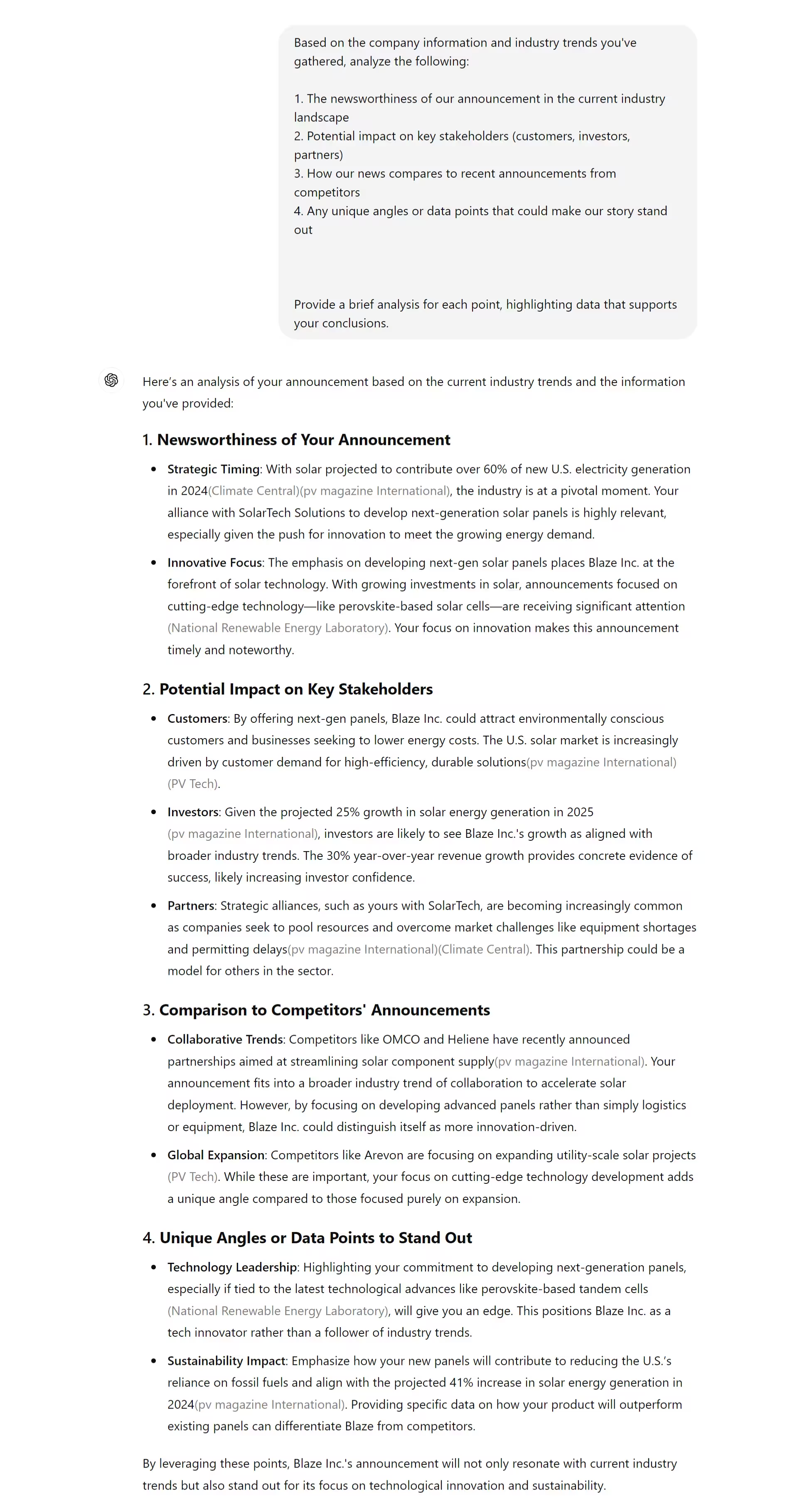
Once you receive the analysis, review it carefully. Look for insights that you might not have considered and think about how you can incorporate these points into your press release to create a more compelling and newsworthy story.
Step 3: Generate press release drafts
With a solid understanding of your news value and industry context, we're now ready to draft the press release. In this step, we'll ask ChatGPT to generate multiple versions of the press release, each highlighting different data points and angles.
The goal is to create a narrative that not only announces your news but also offers journalists and readers a broader perspective on industry trends and challenges.
Let's use this prompt for generating the drafts:
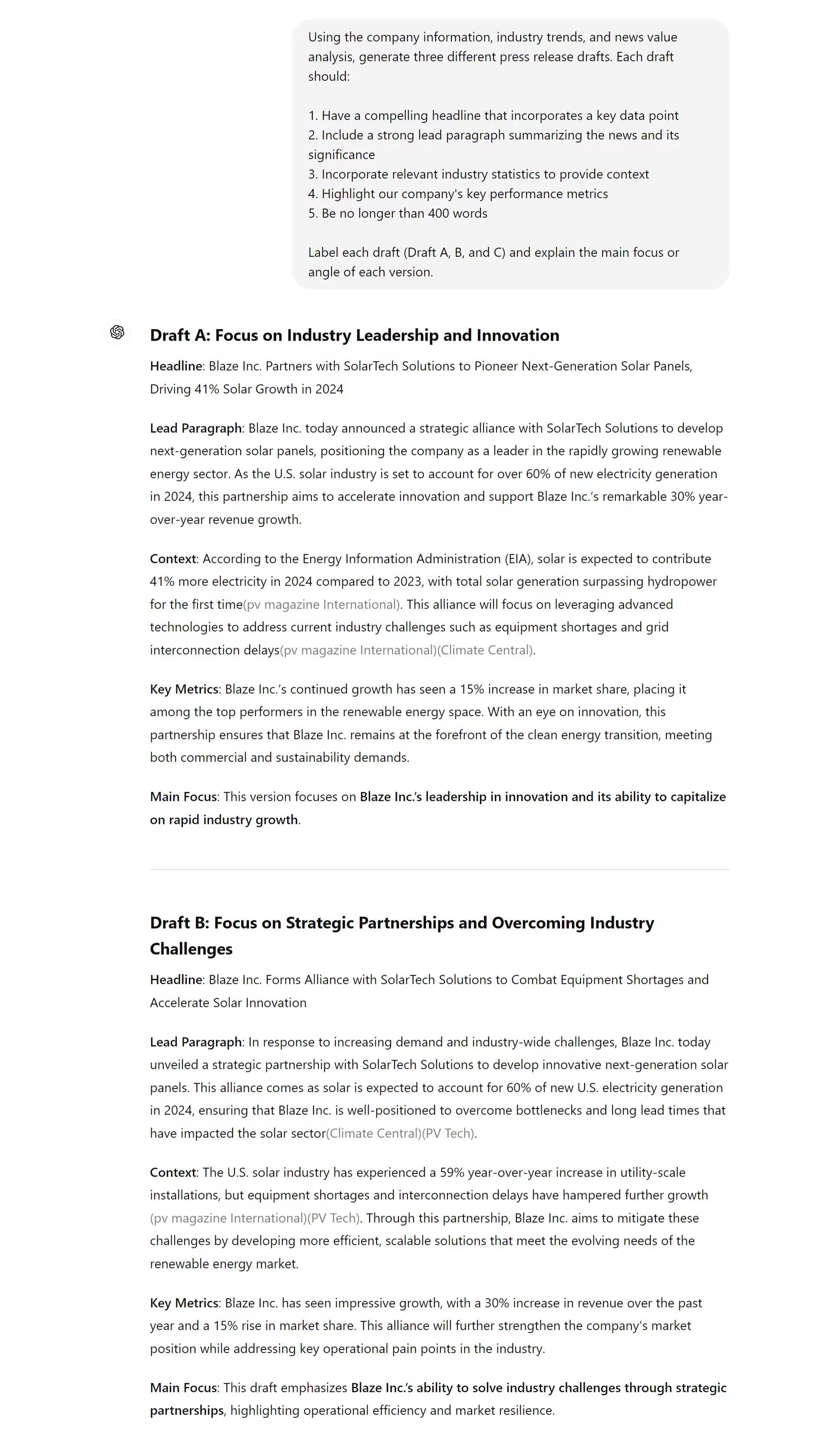
Using the company information, industry trends, and news value analysis, generate three different press release drafts. Each draft should:
1. Have a compelling headline that incorporates a key data point
2. Include a strong lead paragraph summarizing the news and its significance
3. Incorporate relevant industry statistics to provide context
4. Highlight our company's key performance metrics
5. Be no longer than 400 words
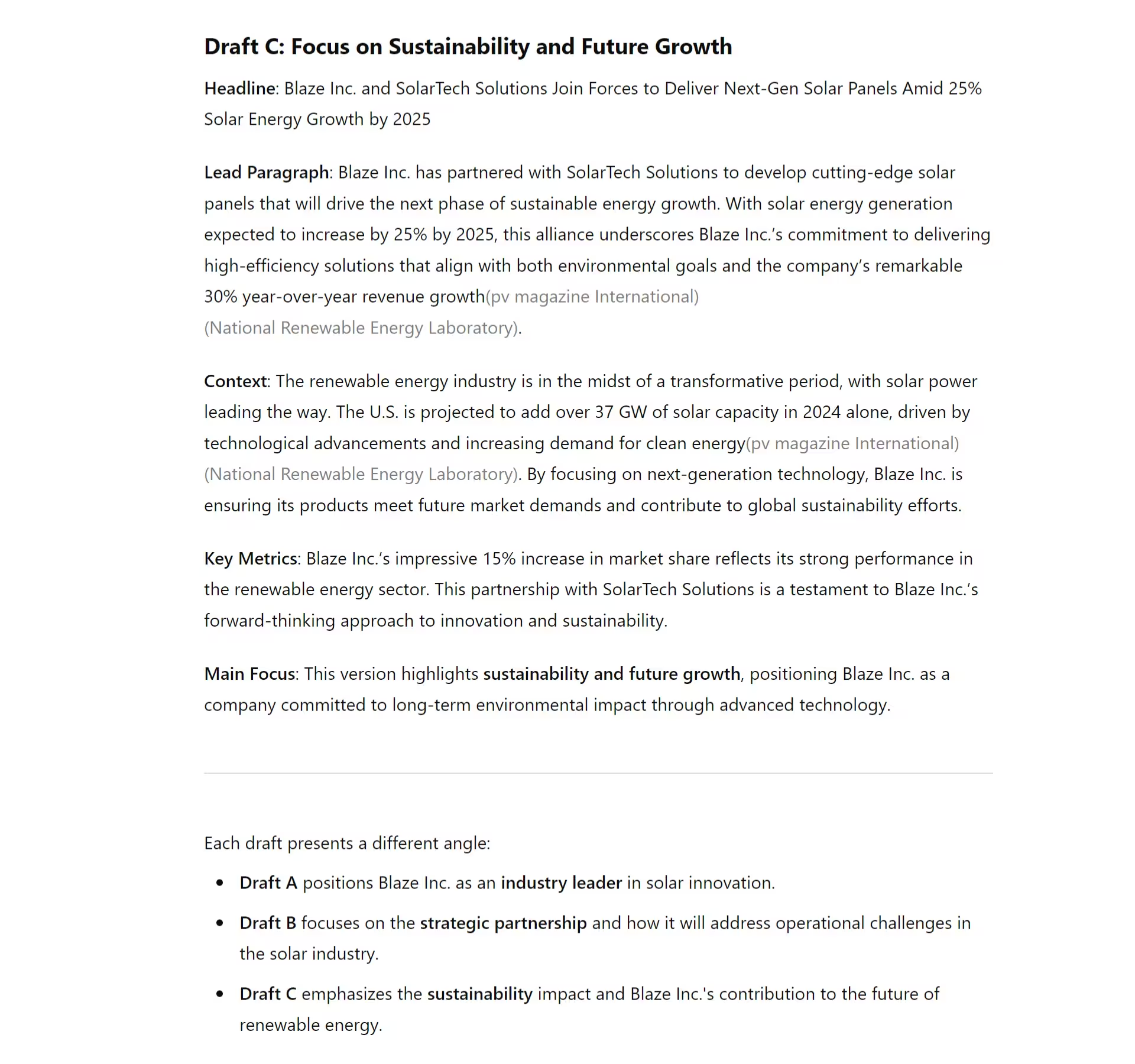
Label each draft (Draft A, B, and C) and explain the main focus or angle of each version.
Step 4: Generate the full-fledged press release
After reviewing the draft press releases from Step 3, you should have a clear idea of which approach best communicates your news within the broader industry context. Now, it's time to expand that draft into a comprehensive, publication-ready press release.
Use this prompt to generate the complete press release:
Based on Draft [A/B/C] that you generated, create a full-fledged press release. Expand on the key points, add more detailed industry context, and include a quote from our CEO that ties our news to broader industry trends. The press release should be between 600-800 words and follow standard press release format, including contact information and a company boilerplate at the end.
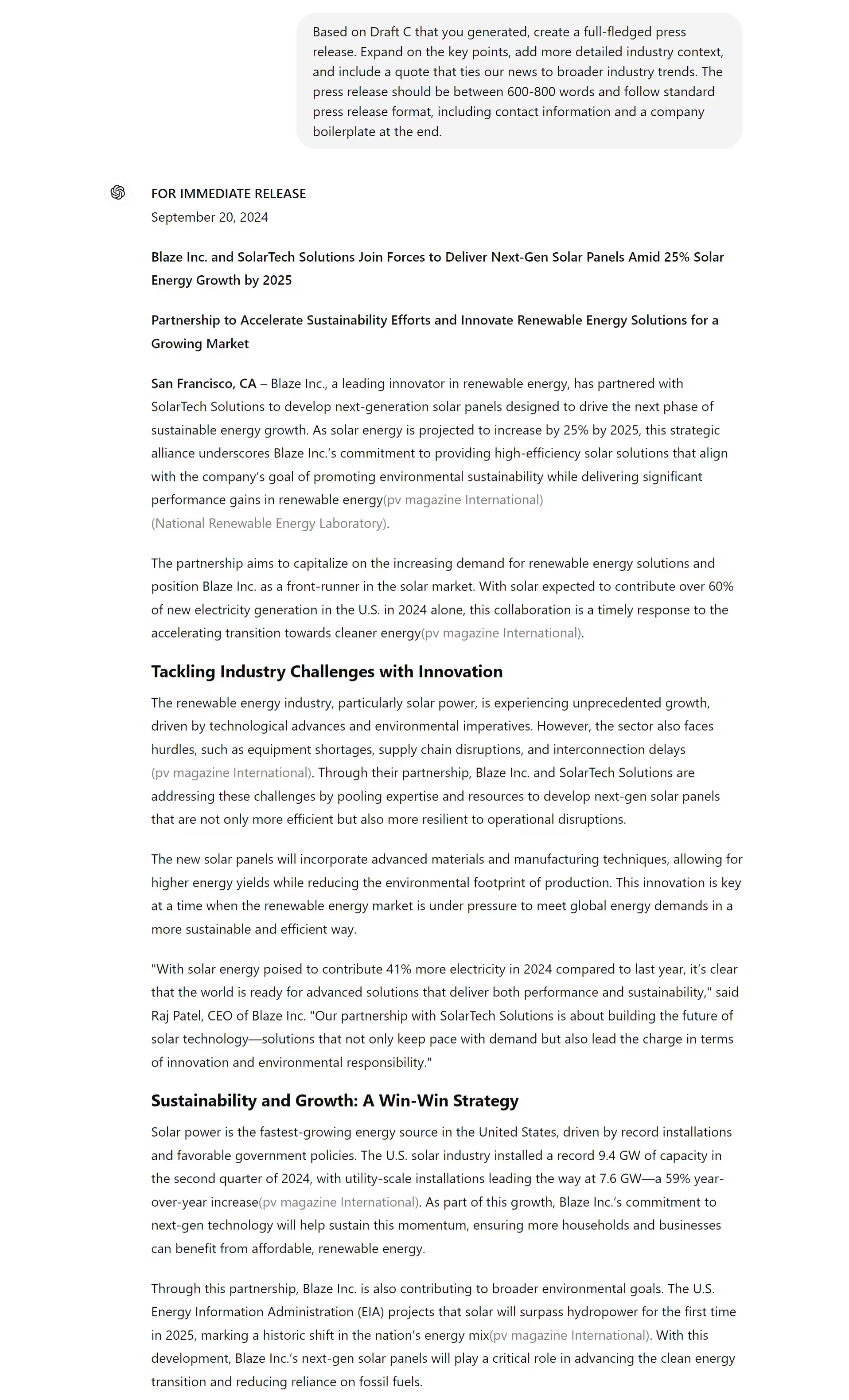
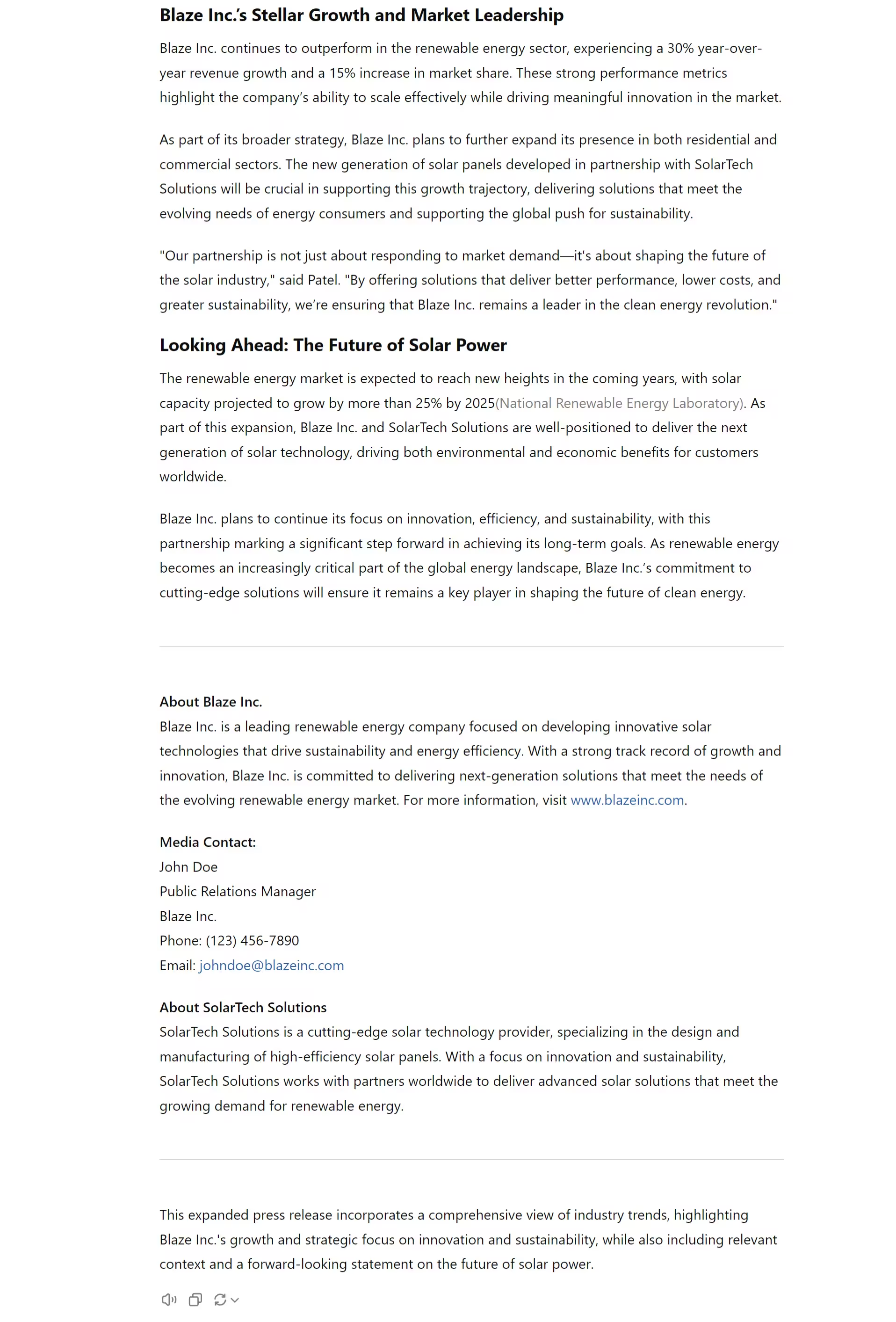
After receiving the full press release, carefully review it to ensure all key points are covered, the data is accurately presented, and the overall narrative aligns with your communication goals. You may need to make minor adjustments or ask ChatGPT for specific revisions to perfect the final product.
Step 5: Develop a media distribution strategy
The final step in crafting a data-driven press release is developing a targeted strategy for distribution. A well-planned distribution strategy ensures that your press release reaches the right audience and maximizes its impact.
Let's prompt ChatGPT to help develop this strategy:
Using the information about our target media outlets and the content of our press release, develop a media distribution strategy. Include the following:
1. A brief pitch tailored to each of our target outlets, highlighting why our story is relevant to their audience
2. Suggestions for additional data or exclusive insights we could offer to key journalists
3. Ideas for follow-up content (e.g., blog posts, social media series) that could extend the life of our news
4. Recommendations for timing the release based on industry events or trends
For each element, explain how it leverages the data-driven aspects of our announcement.
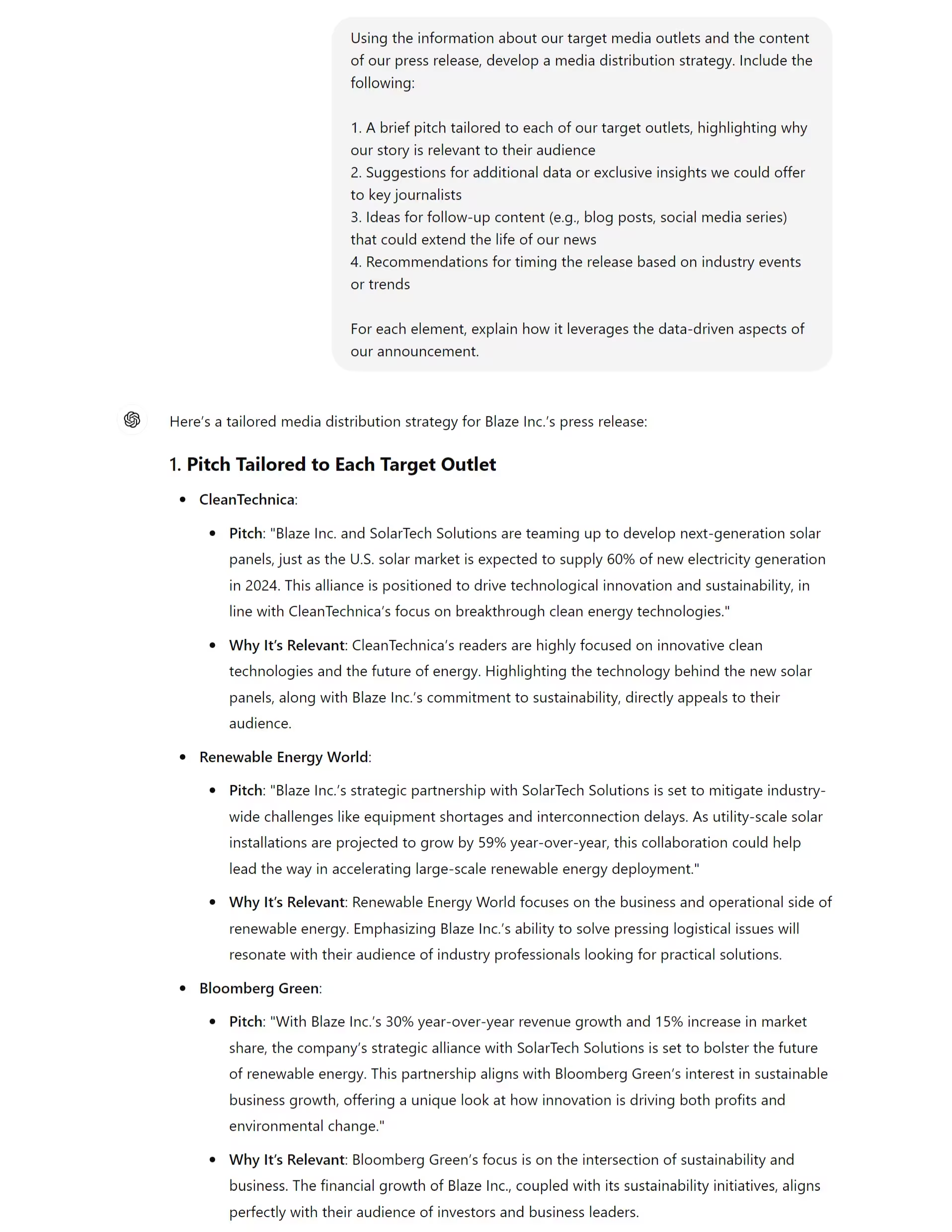

Remember, while ChatGPT can significantly streamline the process and provide valuable insights, it's crucial to review and refine the final content to ensure it accurately represents your company's voice and meets your specific communication goals. Consider having key stakeholders and your legal team review the press release before distribution.
This tutorial was created by Tanmay.